
Applied Behaviour Analysis: Building positive behaviours, one step at a time.
A proven, evidence-based approach that helps children build important skills and develop positive behaviours through structured, personalised sessions.
What is ABA Therapy?
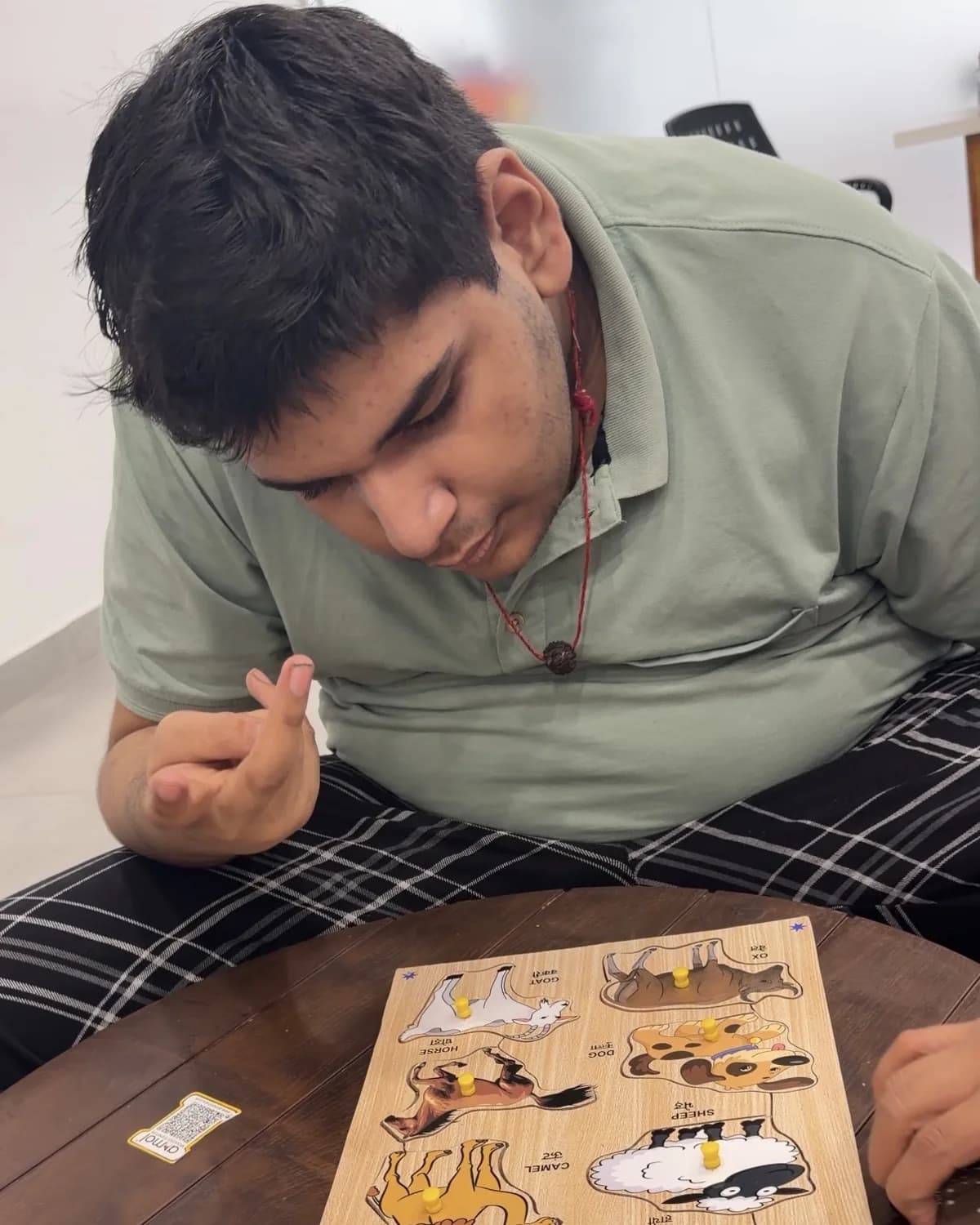
Applied Behaviour Analysis (ABA) is a scientifically validated therapy that focuses on understanding how behaviour works, how it is affected by the environment, and how learning takes place. At Devine CDC, we use ABA to help children develop meaningful skills — from communication and social interaction to daily routines and self-care — through structured, play-based sessions that feel natural and engaging.
Early and consistent ABA therapy can significantly improve a child's ability to learn, communicate, and form relationships. Research spanning over five decades shows that intensive ABA programmes lead to substantial gains in language, cognitive skills, and adaptive behaviour. Our programmes are individually designed, so every child receives exactly the support they need to thrive.
Benefits for your child.
Improved Communication
Helps children express their needs, wants, and feelings more effectively — whether through words, gestures, or assisted communication devices.
Positive Social Skills
Teaches turn-taking, sharing, eye contact, and cooperative play so children can build friendships and participate in group settings.
Reduced Challenging Behaviours
Identifies the reasons behind difficult behaviours (like tantrums or self-injury) and replaces them with functional alternatives.
Daily Living Independence
Supports children in mastering everyday tasks such as dressing, brushing teeth, eating independently, and following routines.
Academic Readiness
Builds foundational skills like attention, following instructions, and task completion that prepare children for school environments.
Generalisation of Skills
Ensures that skills learned in therapy transfer to home, school, and community settings for real-world impact.
How we work together.
- 1
Comprehensive Assessment
We begin with a thorough evaluation using standardised tools to understand your child's current skill levels, strengths, and specific areas where support is needed.
- 2
Individualised Goal Setting
Based on the assessment, our Board-Certified and trained behaviour analysts create a customised treatment plan with clear, measurable goals aligned with your family's priorities.
- 3
One-on-One Therapy Sessions
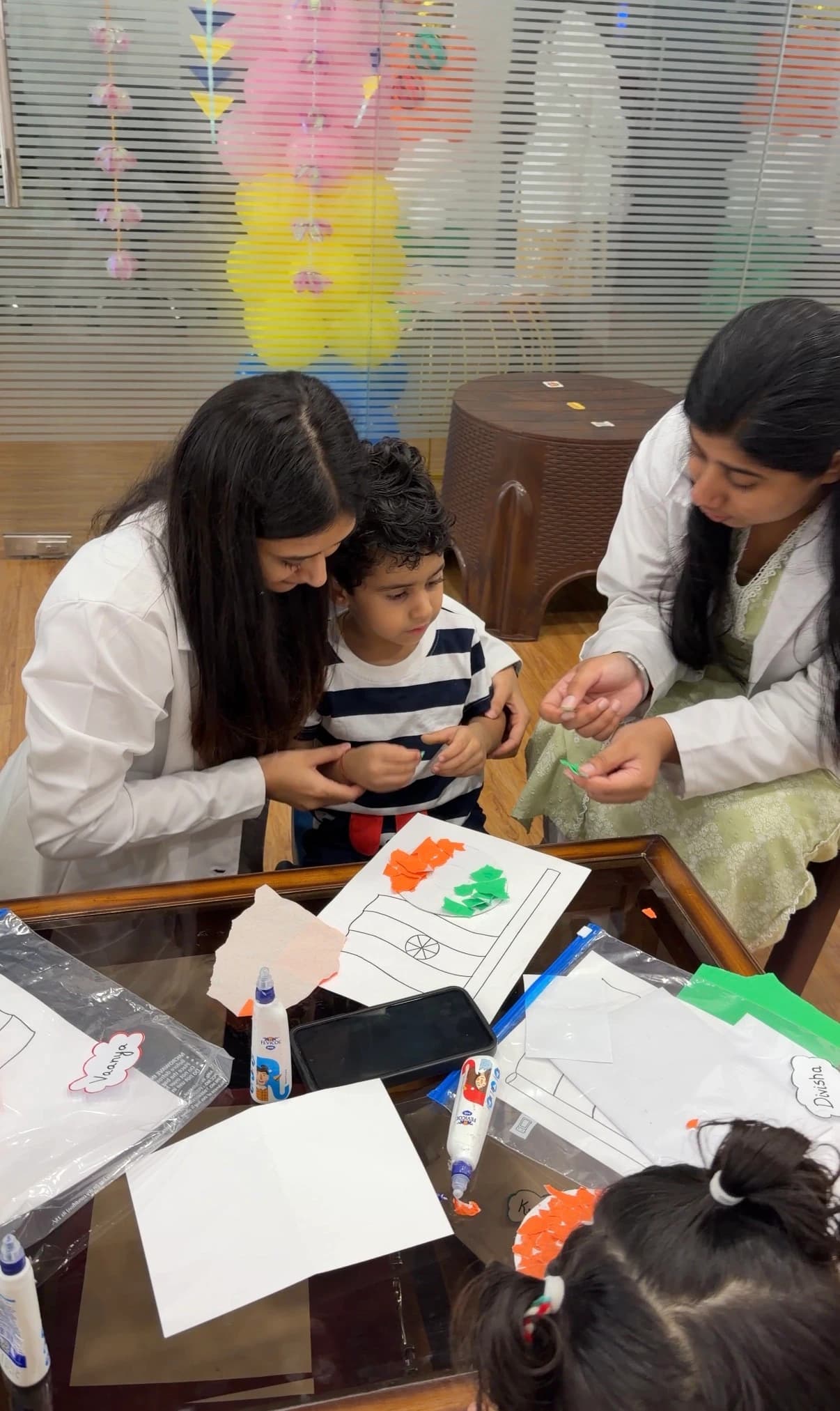
Each child receives dedicated time with a trained therapist who uses positive reinforcement, structured teaching, and natural play to build skills progressively.
- 4
Data-Driven Progress Tracking
We record and analyse data from every session to ensure your child is making meaningful progress. Treatment plans are adjusted regularly based on this data.
- 5
Parent Training & Collaboration
We empower parents with ABA strategies they can use at home, ensuring consistency across environments and accelerating your child's development.
Signs you might notice.
No diagnosis is needed to talk to us. If any of these sound familiar, a consultation can help.
- Limited or no speech by age 2
- Difficulty making eye contact or engaging with others
- Repetitive behaviours like hand-flapping or lining up objects
- Resistance to changes in routine
- Frequent tantrums or meltdowns that seem disproportionate
- Difficulty playing with peers or sharing toys
- Not responding to their name being called
We understand that starting therapy can feel overwhelming. At Devine CDC, we walk alongside you every step of the way — answering your questions, celebrating small wins, and ensuring your child feels safe and happy throughout their journey.
Common questions.
At what age should ABA therapy start?
ABA therapy is most effective when started early — ideally between ages 2 and 6. However, children of any age can benefit from ABA. The earlier the intervention, the greater the potential for positive outcomes.
How many hours per week does a child need?
This varies based on each child's needs. Some children benefit from 10-15 hours per week, while others may need more intensive support. Our team will recommend the right intensity after the initial assessment.
Is ABA therapy only for children with Autism?
While ABA is widely recognised as a leading treatment for Autism Spectrum Disorder, it is also effective for children with ADHD, developmental delays, learning disabilities, and behavioural challenges.
Will my child enjoy the sessions?
Absolutely! Our therapists use play, games, and activities your child loves to make learning fun and motivating. Sessions are designed to be engaging, not stressful.
Is ABA Therapy right for your child?
Book a consultation and our team will help you understand the next step.